

Black Death
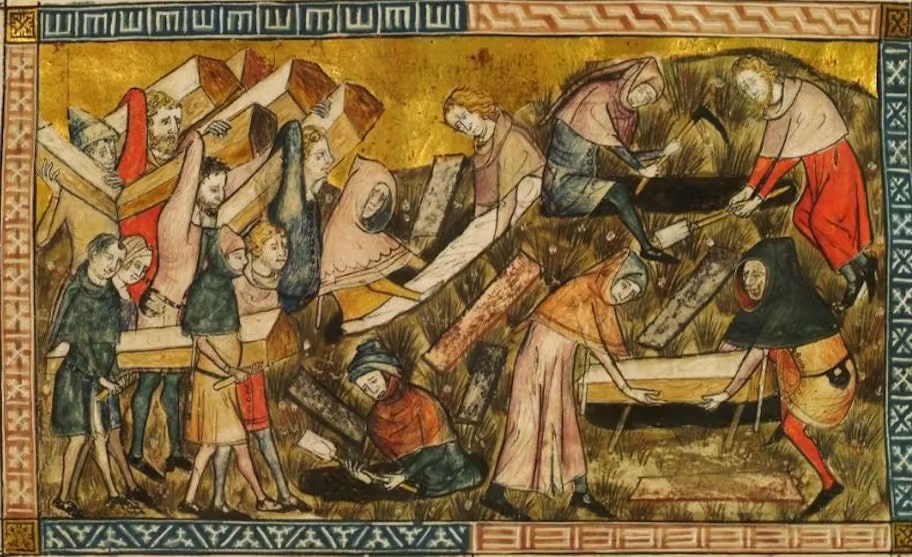
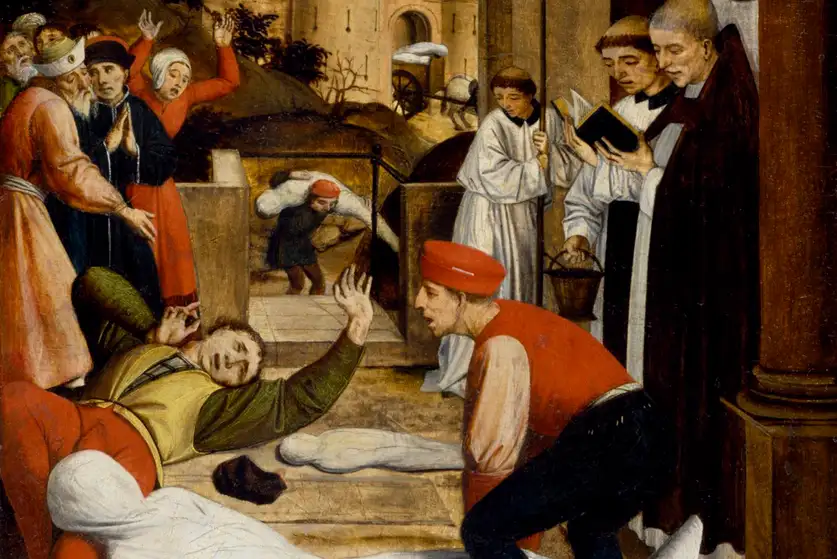
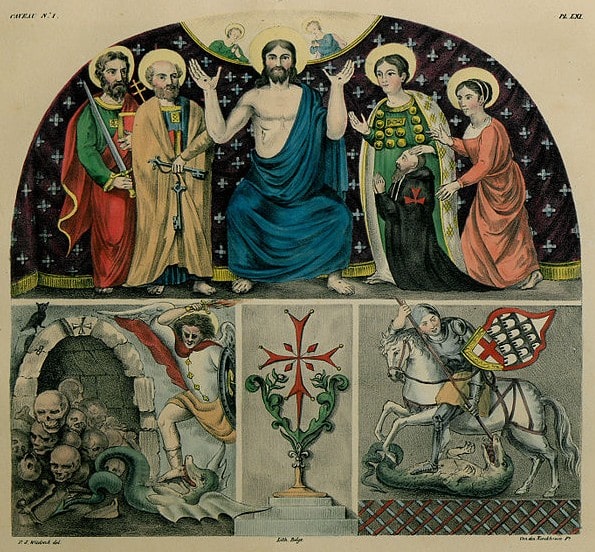
The 'Black Death' was the name given to the plague pandemic that struck all of Europe (1348-1350) and wiped out one-third of its population. In October 1498, a plague epidemic broke out in the Hospitaller-ruled city of Rhodes, lasting until the summer of 1500 and indiscriminately decimating the local community. In 1498, Grand Master Pierre d’ Aubusson took strict measures to contain the epidemic that struck the island.
The knights, who believed the epidemic was divine punishment, after declaring a general fast, took the icon of Panagia Karyonitissa of Apollona and, together with the Orthodox clergy and the people, undertook a processional journey towards Rhodes. Wherever they passed, the plague subsided, and by the time they reached the castle of Rhodes, the epidemic had ceased.
As a token of gratitude, the Grand Master and the knights offered gifts to the Panagia and granted the privilege for the icon to be taken out for procession and veneration outside the church, without requiring written permission, as had been the case until then.
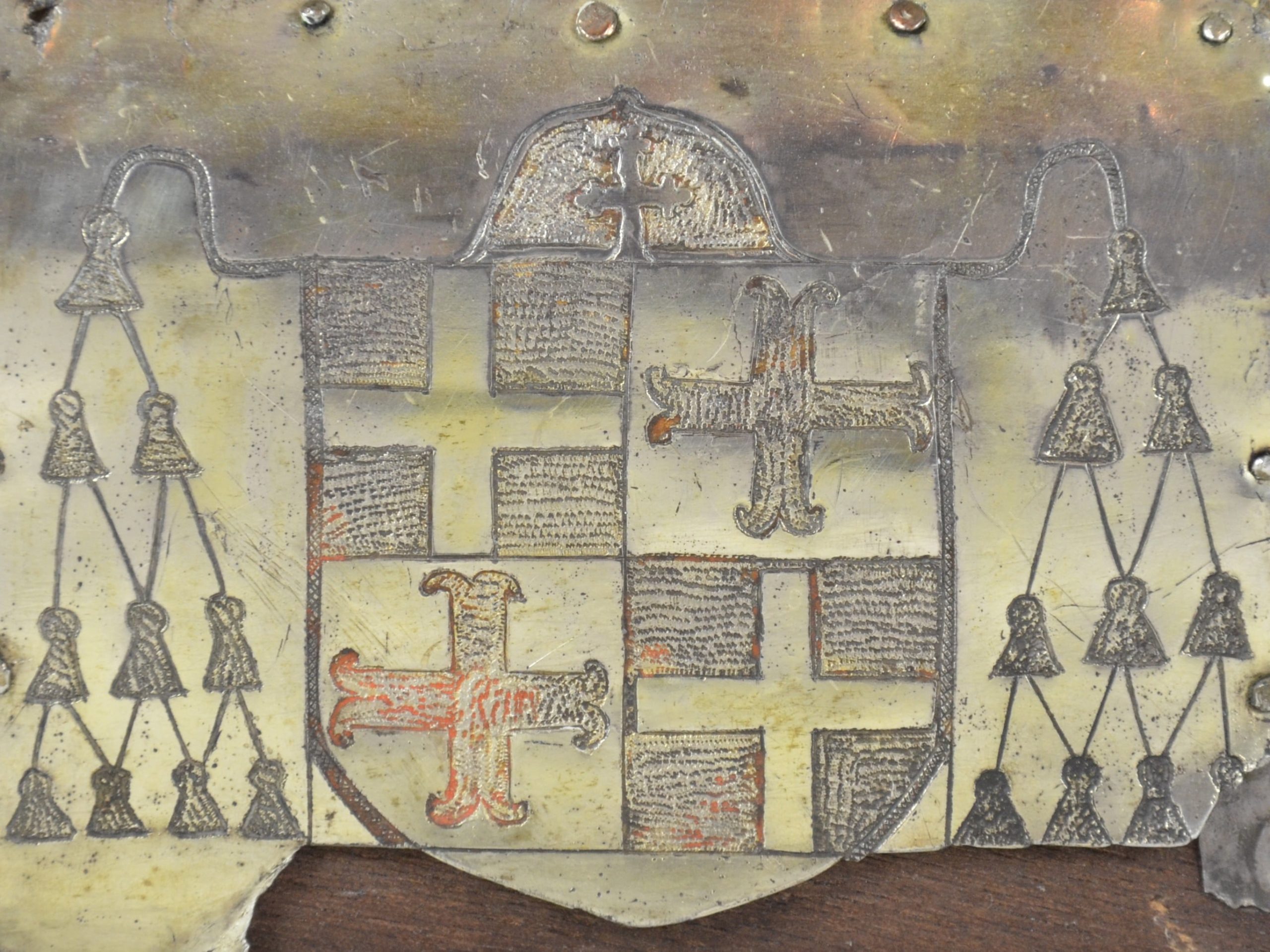
On the silver revetment of the double-sided icon of Panagia Karyonitissa, there is a rectangular plaque with the coat of arms of P. d’Aubusson, which the Grand Master dedicated as a token of gratitude for the divine assistance of the Theotokos during the siege and in combating the plague.