

The Virgin Mary and the Grand Magister
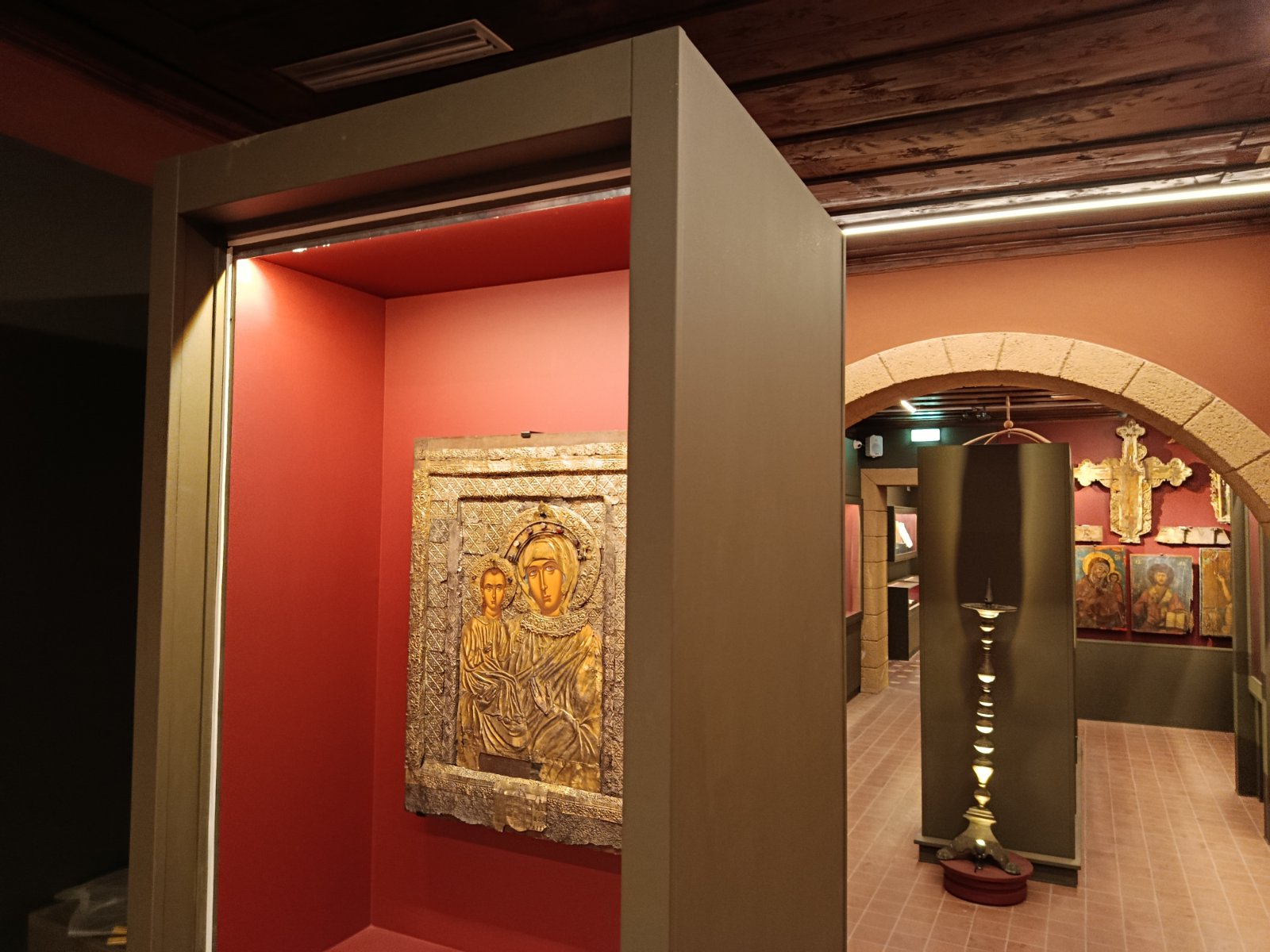
The icon of Panagia Karyonitissa, according to tradition, was found in the trunk of a large walnut tree, at the point where the chapel of Panagia Karyani or Karyonitissa is located, approximately three kilometers to the west of the village of Apollona.
The doulbe-sided processional icon that survives today probably dates back to the 14th century and bears the inscription " ΜΡ ΘΕΟΥ Η ΚΑΡΙΟΝΕΙΤΗΣ[…]” (MOTHER OF GOD KARIONITIS[…]). On its silver sheet cover it bears the coat of arms of Grand Magister Pierre d' Aubusson. On its other side it depicts the Nativity of the Virgin Mary. The icon remains for veneration inside the Church of the Holy Cross, while its silver cover is exhibited in the museum.
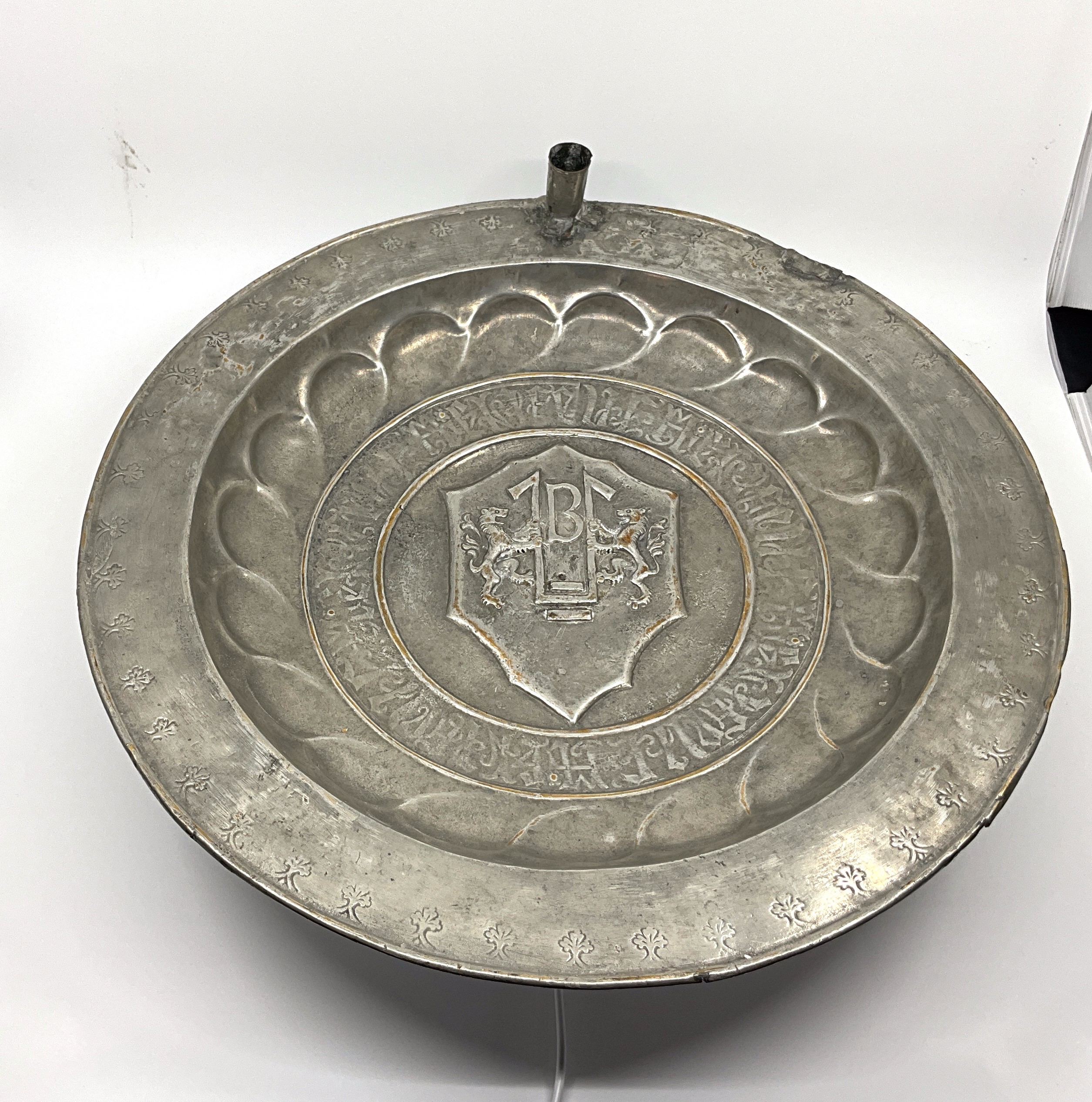
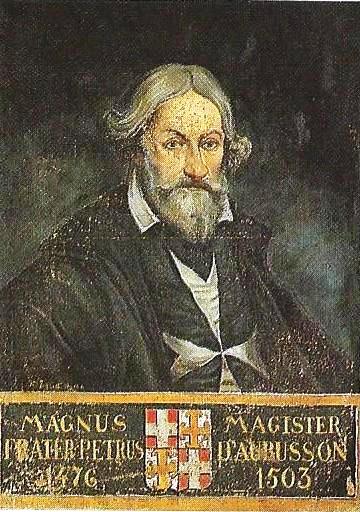
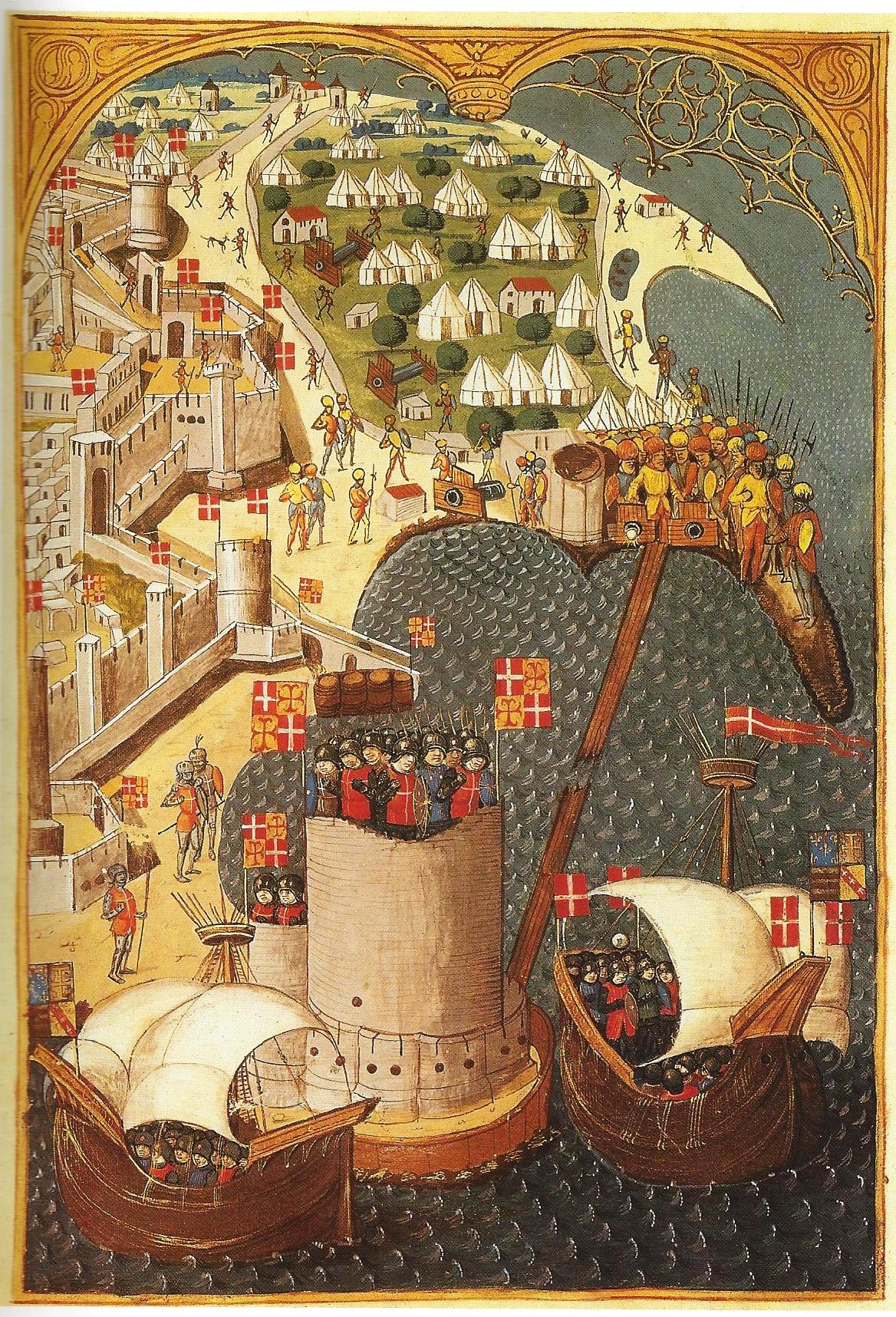
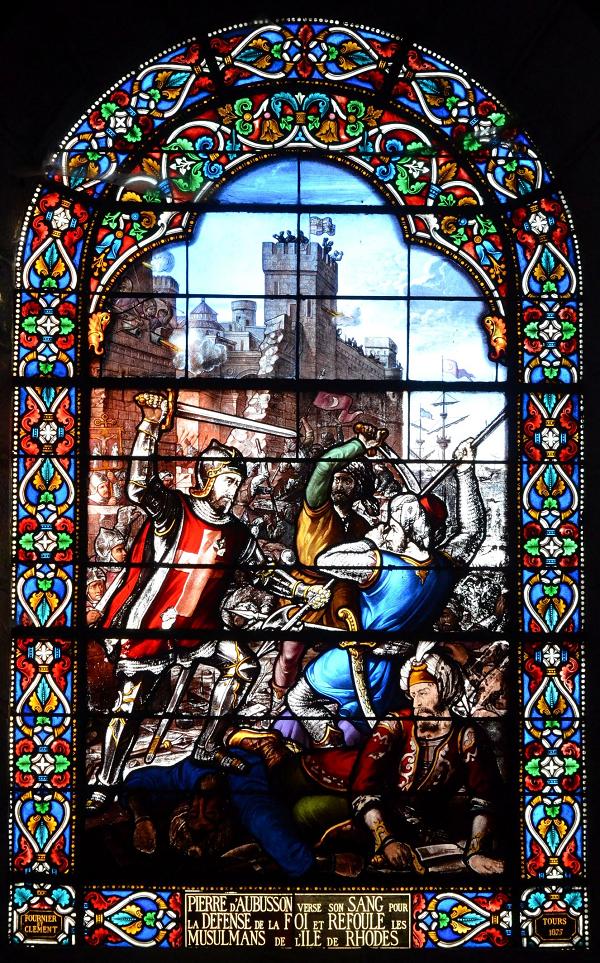
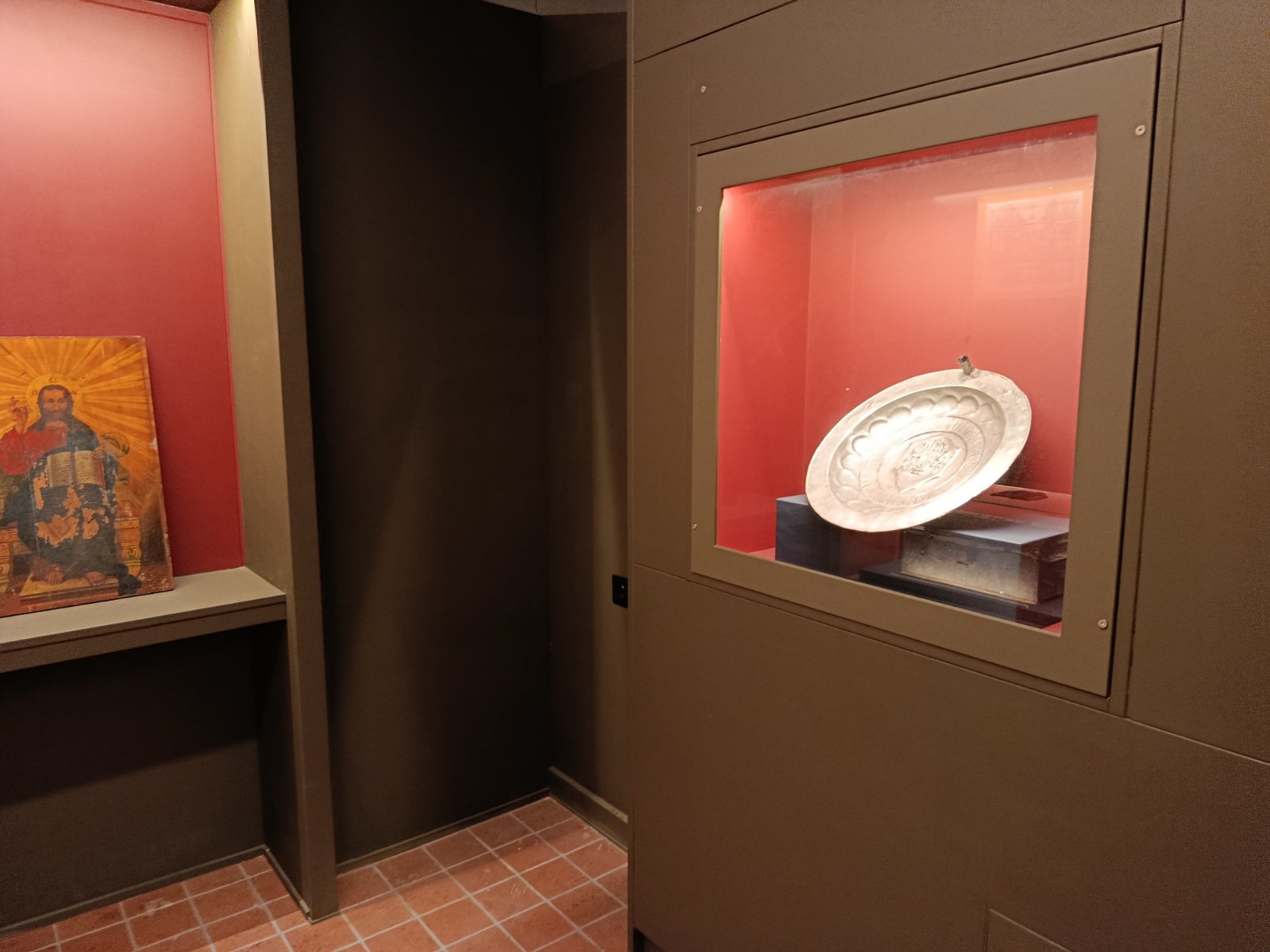
Pierre d' Aubusson was the first in charge of the Knights' Order and held the title of Grand Magister from 1476 until his death in 1503. He led the defense of the island during the first siege of Rhodes by the Turks in 1480, during which the Turks failed to conquer the island His coat of arms is found on various fortifications. The exhibition provides information about the coats of arms, while a silver-plated tray bearing his coat of arms in its center is also on display.
The exhibition provides information about the coats of arms, while a silver-plated tray bearing his coat of arms in its center is also on display.
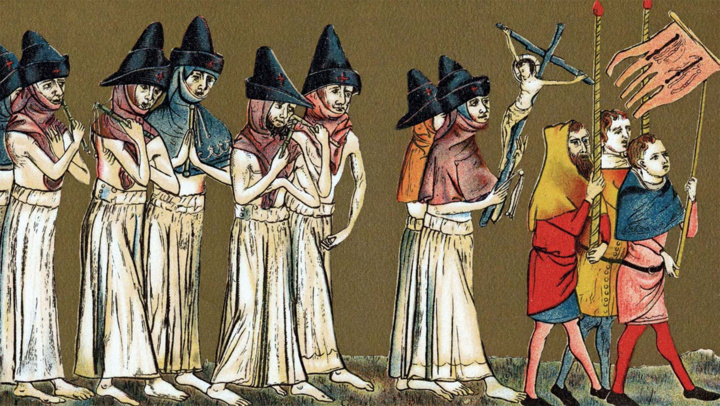
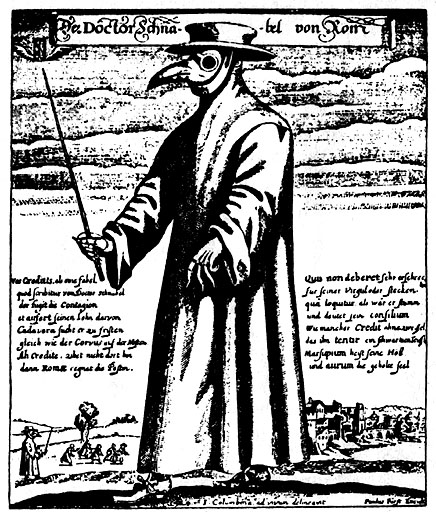
When the island was hit by a plague epidemic from October 1498 to the summer of 1500, the Grand Magister d' Aubusson took measures to combat it. Information about the epidemic can be obtained from the poem "The Plague of Rhodes" by the Rhodian Emmanouil Limenitis (Georgilas), written in the medieval dialect of Rhodes in fifteen-syllable verse. According to oral tradition: "the knights who considered the epidemic to be divine punishment, declared a general fast, and set out on a procession of the icon towards Rhodes together with the Orthodox clergy and the people. Wherever they passed the plague stopped and by the time they reached the Castle of Rhodes the epidemic had ceased. As a sign of gratitude, the Grand Magister and the Knights presented gifts to the Virgin Mary and granted the privilege of the icon being taken out of the church for procession and veneration without requiring written permission as had been done until then.