

The Holy Cross
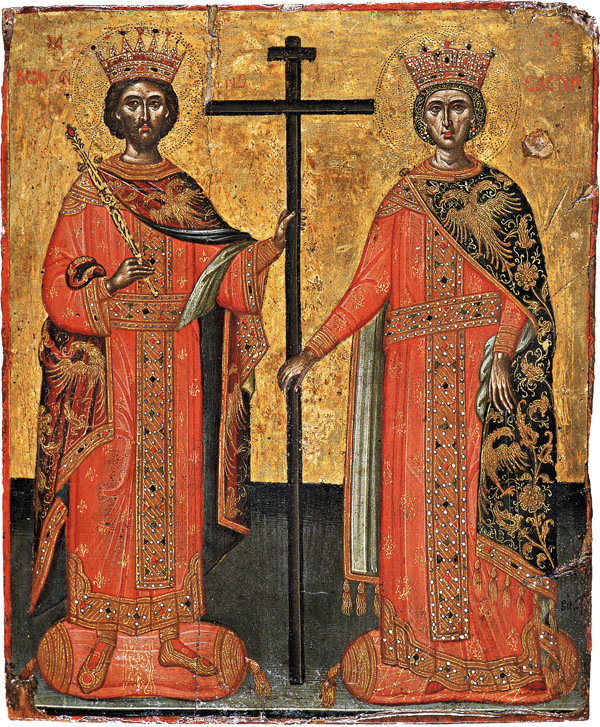
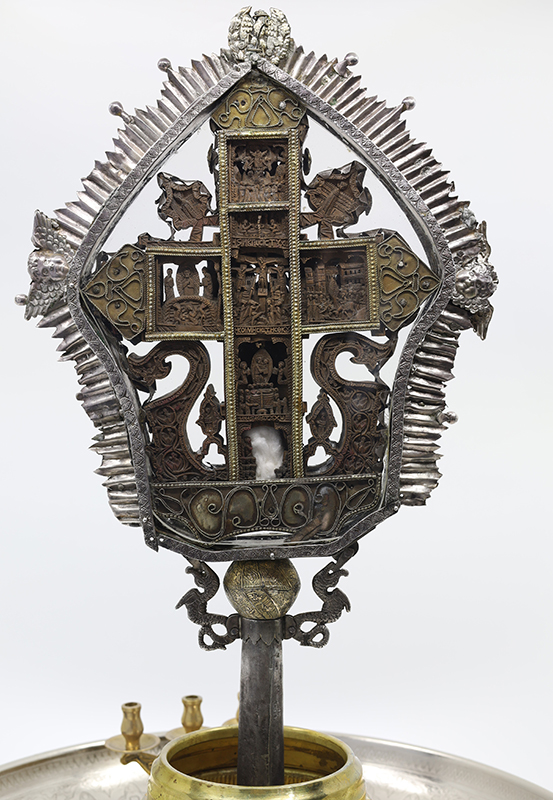
The Holy Cross Apollona is an excellent example of miniature wood carving. It is a processional cross, with a gilded binding and a more recent silver cover. It probably dates back to the 16th century. The relief depictions on its one side depict the Annunciation, the Birth of Christ, the Assumption, the Baptism, the Raising of Lazarus, Pentecost, two Evangelists, Aaron with Melchizedek, Saint Constantine with Saint Helen and apostles in a depiction of “the Vine”. On the other side there are: the Transfiguration, Palm-Sunday, the Crucifixion, the Resurrection, the Ascension, the Dormition of the Virgin Mary, two evangelists, David with Solomon, two stylite saints and prophets in a depiction of the Root of Jesse.
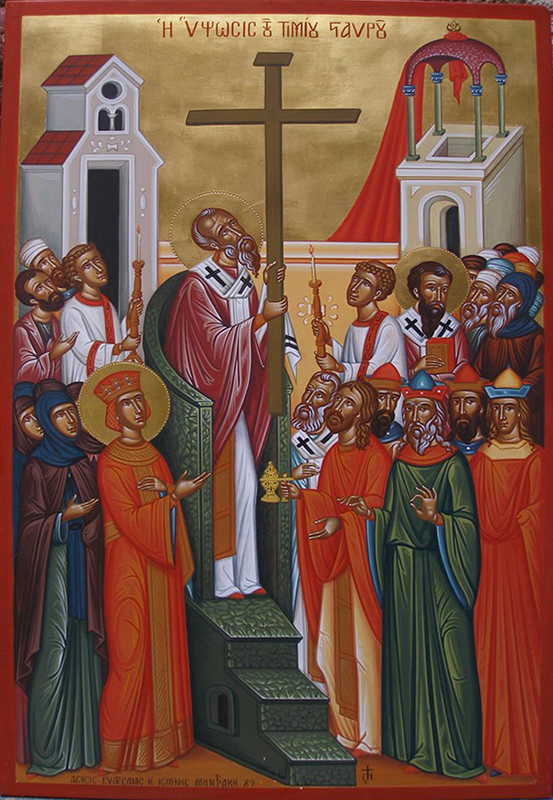
According to tradition, the residents of Apollona met Saint Helen when she was returning from the Holy Land after finding the Holy Cross and begged her to give them a fragment from the Cross, so that they could stop the evil events that were taking place in their village. Returning to their village with great joy in their hearts, they offered all-night prayers of thanksgiving, built a church dedicated to the Holy Cross and preserved the fragment of the Holy Cross inside a carved wooden cross.
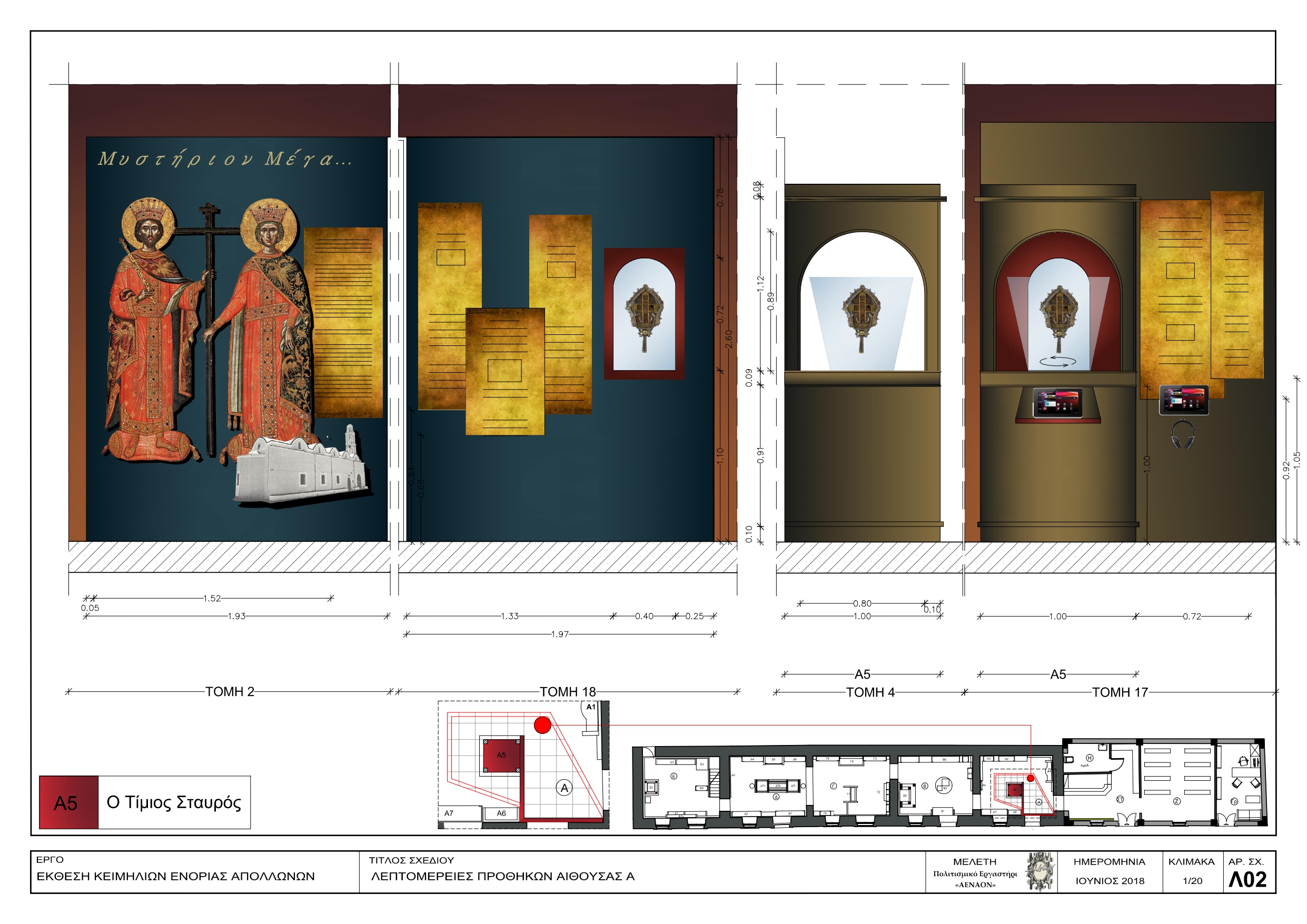
The section presents the cross of Apollona in an interactive display, through which the visitor can rotate and enlarge the object. The three celebrations during which the cross is taken out of its crypt and offered for veneration are also presented, as well as the ritual followed when this is done. Moreover, testimonies of village residents in relation to the cross, miraculous events and legends, as well as the connection of the village with Saint Helen are presented.
The stories also speak about the custom of guarding the cross every time it is taken out for worship. Usually, members of the church committee take turns safekeeping the cross while it is not on display, while the place where it is kept remains a secret.
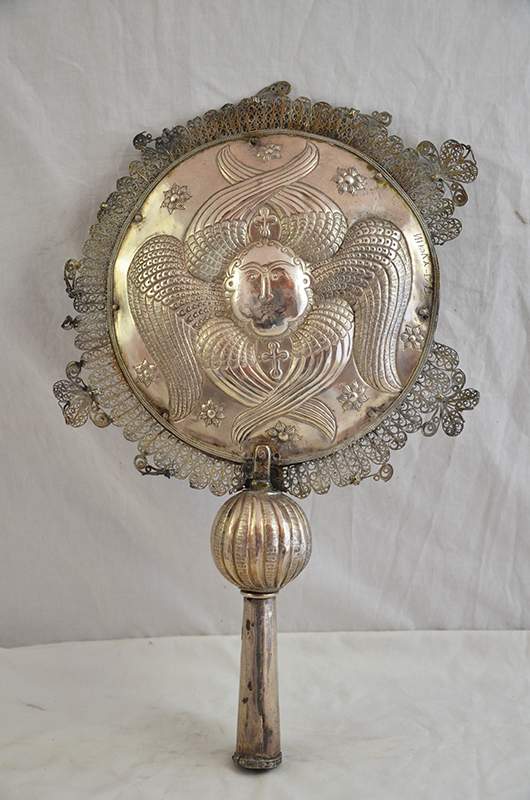
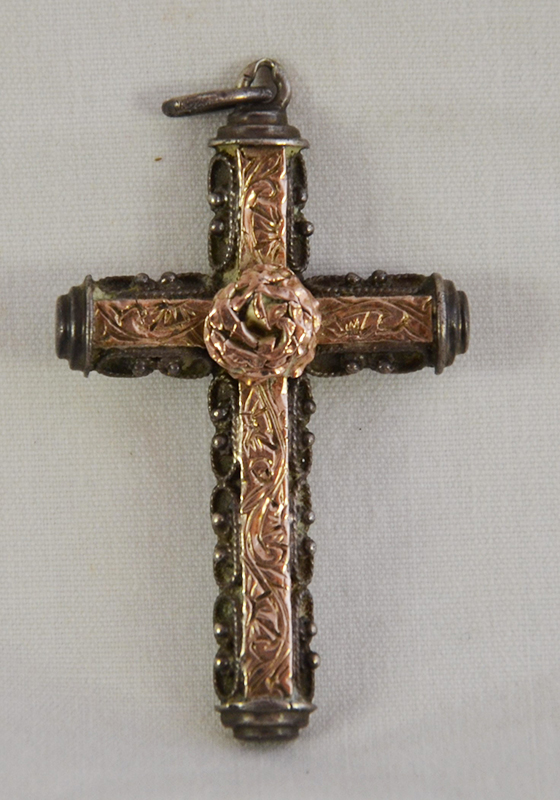
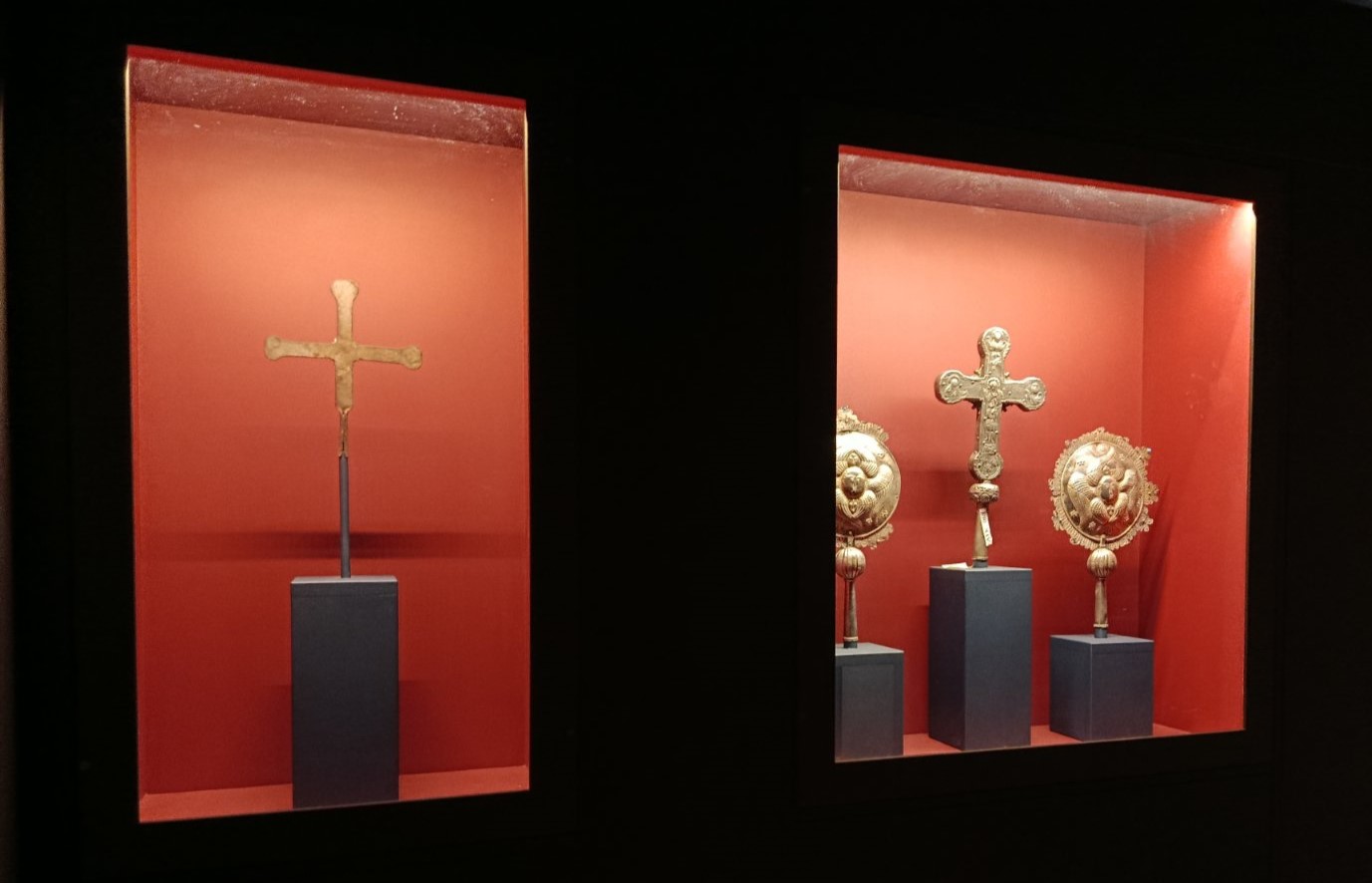
Starting from this important relic of the collection, the period in which the Crucifixion of Christ took place and the finding of the Holy Cross by Saint Helen, as well as her visit to Rhodes on her return to Jerusalem, are also presented. Information is also given on the different types of crosses in relation to their use and shape. Two types of crosses created by Rhodian jewelry workshops are exhibited.
-
- OLYMPUS DIGITAL CAMERA